From Glazing Line to Kiln: How Our Toilets Are Made in Chaozhou
Spray glazing, hand finishing and a kiln queue of toilet bodies — the production steps every i-Sanitary toilet, bidet and basin passes through before it is checked and packed.
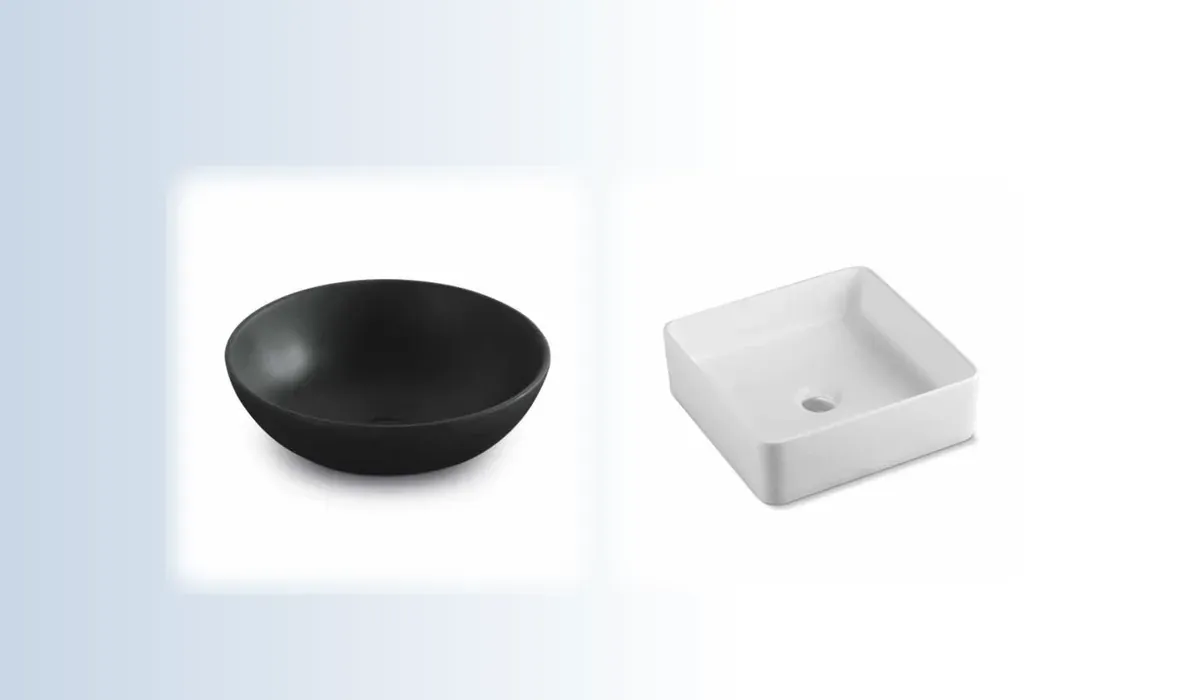
Every model in our catalog — one-piece, two-piece, wall-hung and floor-standing toilets, bidets and matte basins — comes off the same production flow in Chaozhou. Three steps decide most of what a buyer is paying for: finishing, glazing and firing. This is how each one runs.
Finishing and spray glazing
Cast bodies are finished by hand first: seams are trimmed and surfaces levelled while the ceramic is still workable, as with the floor-standing body being dressed in our finishing shop. The body then moves to the spray booths, where glaze is applied evenly over the whole surface. Our nano glazing seals the surface at a microscopic level, so grime has less to grip in daily use, and the trapway is fully glazed with an antibacterial layer — the part of the toilet no brush reaches is treated before firing, not after.
Into the kiln
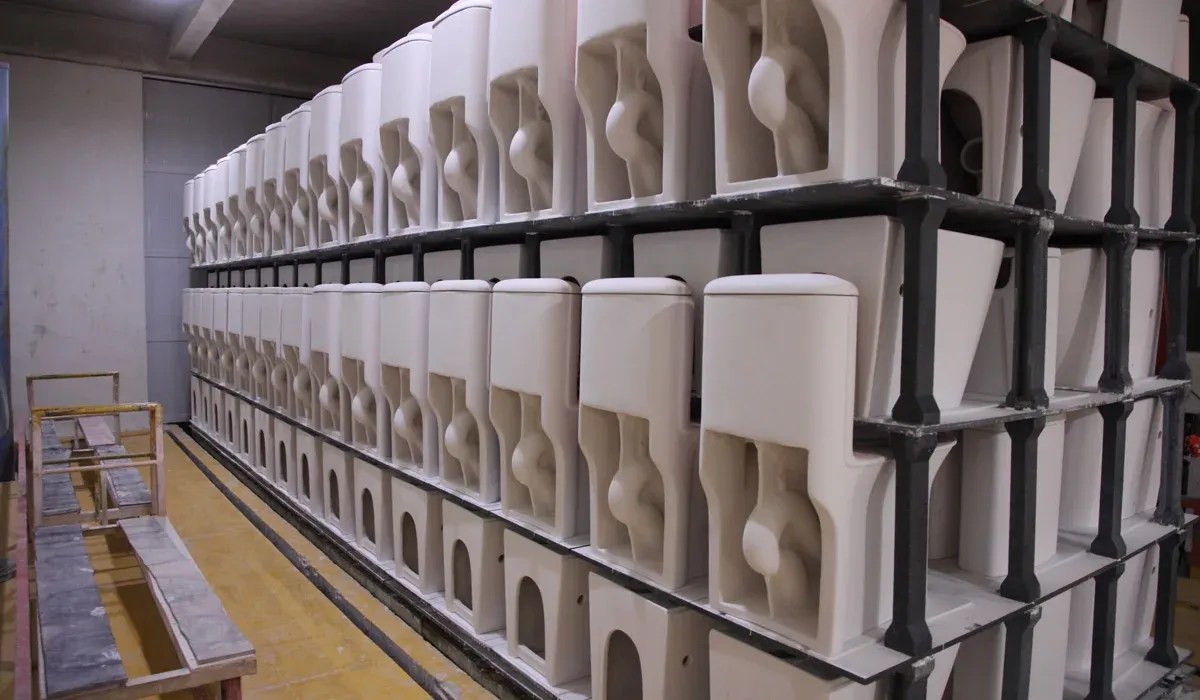
Glazed bodies are racked on kiln cars — rows of toilets and bidets queued in sequence — and fired on a scheduled cycle. Kiln scheduling is run in-house, which is what keeps the 15–30 day production window realistic: the plant runs at over 40,000 pieces per month, and export orders are slotted into the firing plan rather than left to chance.
Checked before it ships
Fired pieces go through line QC — fit checks on seats and tank lids, flush components assembled and inspected — before packing. Buyers are welcome to arrange inspection before shipment, and trade orders start at an MOQ of 50 pcs per model. The factory facts are on our About page, and our export team can walk you through the line on a video call or a plant visit.