Buying Guides
Rimless vs Washdown Flushing: What the Difference Means for Returns and Reviews
Rimless and washdown describe different parts of a toilet — the bowl and the flush action. Confusing them leads to wrong stock, cleaning complaints and avoidable returns.
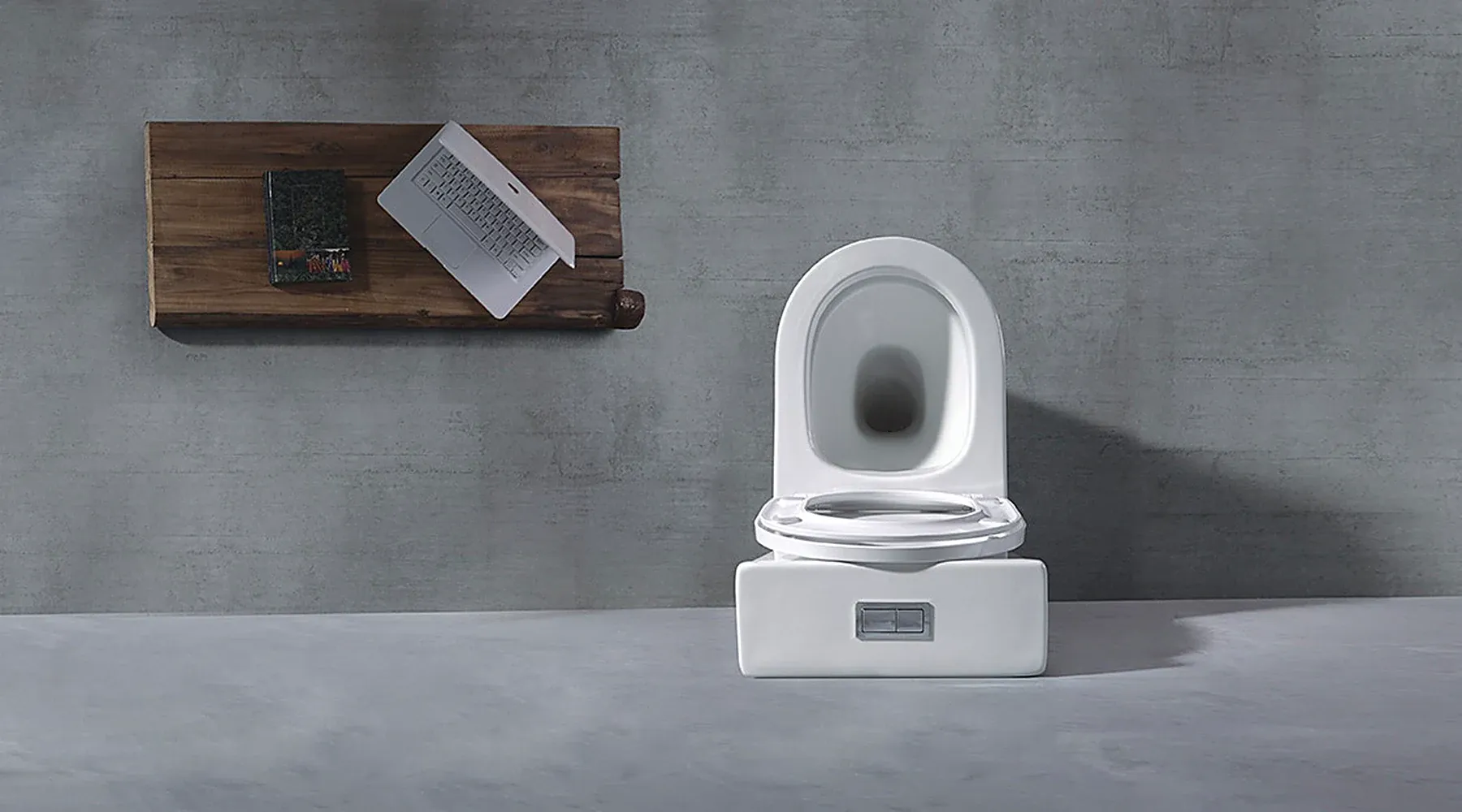
Ask three distributors what “rimless” and “washdown” mean and you will get three different answers — and that confusion is exactly why the terms cause returns. Here is the short answer: rimless describes the bowl, washdown describes the flush action, and they are not opposites. A toilet can be both at once — our wall-hung models are rimless washdown — or washdown without being rimless, like our one-piece range. Once you can explain the difference to a customer in one sentence, the cleaning complaints, the splash questions and the wrong-stock orders mostly disappear.
Rimless describes the bowl — and what it changes for cleaning
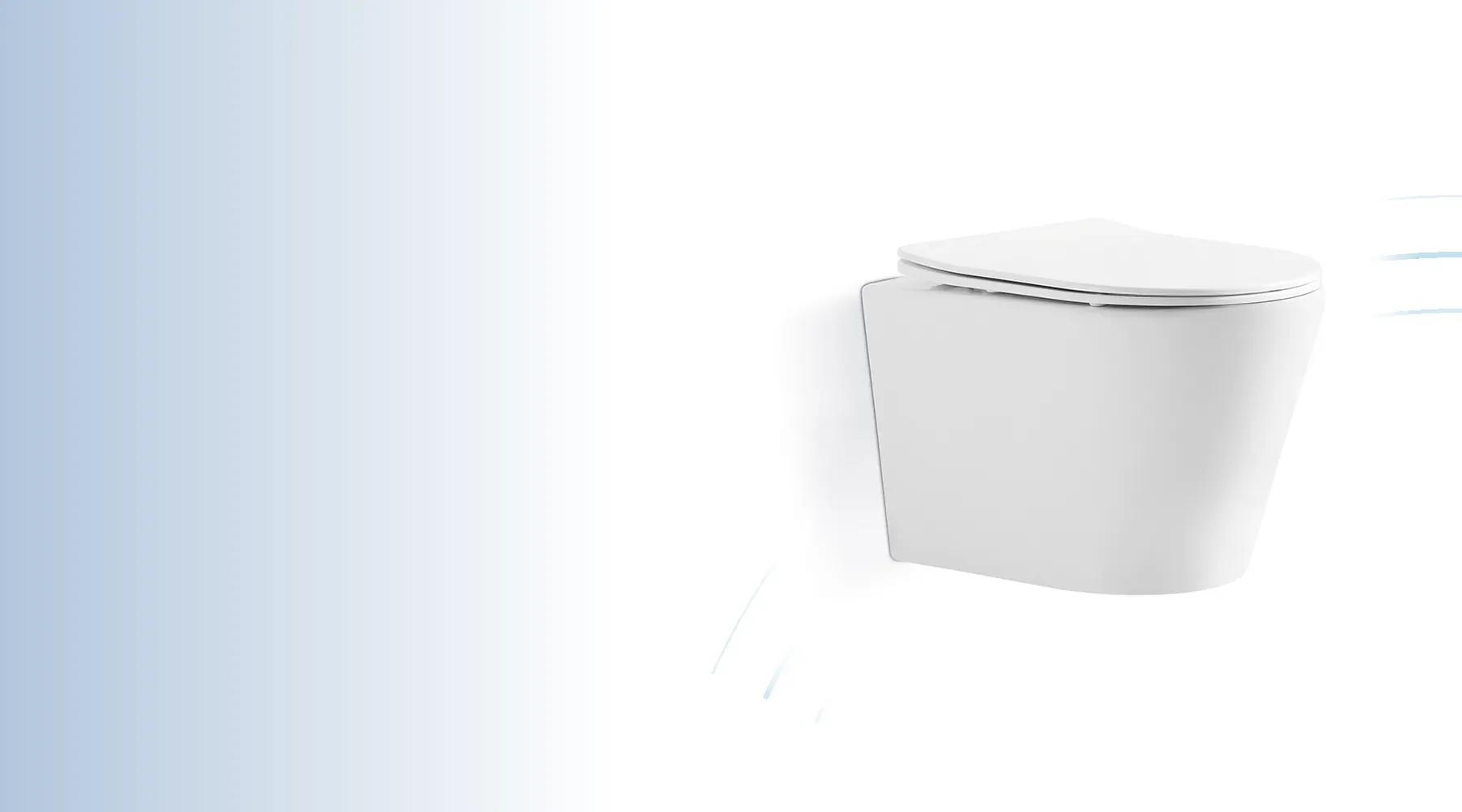
A rimmed bowl has a channel under the rim that the flush water runs through before it washes down the bowl. A rimless bowl has no such channel: the water is directed straight onto the bowl surface, usually by jets or a shaped outlet at the back. The practical difference is cleaning. A rim channel is a hidden ledge where limescale and grime collect out of sight, so a rimmed bowl needs a brush under the rim to stay clean. A rimless bowl has no ledge to hide behind, which is why hotels and hospitals specify it — housekeeping can see the whole surface it has to clean, and there is nowhere for a stain to sit unseen.
That is the selling point to give your customers, and it is also the expectation to manage. A rimless bowl still needs the glaze to do its work: our wall-hung bowls pair the rimless design with nano glazing and an antibacterial-glazed trapway, so the surface itself resists the grime that the missing rim would otherwise hide. When a customer asks whether rimless is “more hygienic”, the honest answer is that the open bowl is easier to inspect and clean — and that the glazing is what keeps it that way between cleans.
Washdown describes the flush action — and what it changes for water use
Washdown is about how waste leaves the bowl: the flush water pushes it directly down and out through the trap, driven by gravity and the volume of water. It is the action used across our range — the wall-hung models are rimless washdown with dual flush at 4.5/3.0 Lpf, and the one-piece models, such as the IS-1180-OPT (670 x 360 x 800 mm) and the IS-1176-OPT (650 x 360 x 725 mm), use a washdown dual flush system. The number your customers will compare is the flush volume: 4.5 litres for a full flush, 3.0 for a half flush.
The common confusion is to treat “washdown” as a quality grade — it is not. It is one flush action among others, and what matters for your market is whether the volume matches local water ratings and whether the bowl clears in one flush at that volume. If a buyer reports a bowl needing a second flush, the first thing to check is not the rim design but the water supply and the flush volume setting: a washdown bowl starved of water will underperform whatever the bowl looks like.
What the difference means for returns, reviews and what to stock
Most returns traced to flushing fall into two complaints, and the terms tell you which one you are hearing. A cleaning complaint — stains under the rim, a smell that survives scrubbing — is a bowl-design complaint, and it is the one a rimless model answers. A clearing complaint — waste left behind, a second flush needed — is a flush-action and water-volume complaint, and it is answered by checking the flush setting and supply, not by changing the rim.
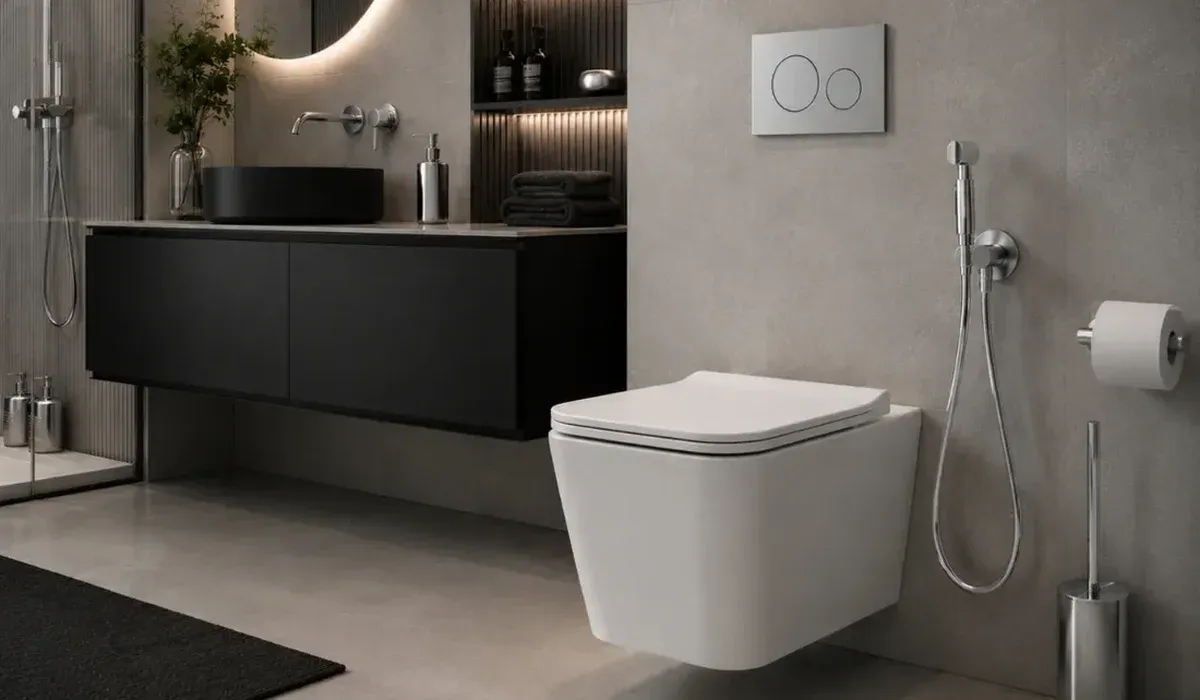
Stock to the complaint your market actually makes. For premium renovations, hotels and compact bathrooms, the rimless washdown wall-hung formats — such as the IS-5176-WHT at 520 x 360 x 320 mm — answer the cleaning complaint and suit the small-footprint brief. For price-led markets and volume retail, the washdown one-piece models answer the value brief with the same dual-flush volumes. If you are choosing between the three toilet formats overall, our comparison of one-piece, two-piece and wall-hung toilets sets out which format suits which market, and the wall-hung range shows the rimless models in detail.
The terms also belong on your shelf ticket and in your sales training, not just in the catalogue. A ticket that says “rimless” without saying what it means invites the customer to guess; a ticket that says “rimless bowl — no rim channel, easier to clean” answers the question before it is asked. Train your retail staff to give the one-sentence version — rimless is the bowl, washdown is the flush — and the returns desk will see fewer “it doesn't flush right” complaints that turn out to be a cleaning expectation, and fewer cleaning complaints that turn out to be a flush-volume setting.
Frequently asked questions
Is rimless the same thing as washdown? No. Rimless describes the bowl — no channel under the rim. Washdown describes the flush action — water pushing waste down through the trap. Our wall-hung toilets are both: rimless washdown. Our one-piece toilets are washdown with a rimmed bowl.
Does a rimless toilet splash more than a rimmed one? Splash complaints usually trace to water pressure or installation, not to the rim design. Confirm the inlet pressure and the flush volume setting with the supplier, and test one unit before a large order — that one test settles the question for your market.
Which should I stock — rimless or washdown? You are not choosing between them: you are choosing a bowl design and a flush action together. For premium and hotel work, stock rimless washdown wall-hung models; for price-led volume, stock washdown one-piece models. Both use dual flush at 4.5/3.0 Lpf, so the water rating on the shelf ticket stays the same.
Put the two words back where they belong — rimless on the bowl, washdown on the flush — and the conversation with your customer gets simple: the rim decides how easy the bowl is to keep clean, the flush decides how the bowl clears, and the 4.5/3.0 Lpf dual flush is the number to quote in both cases. Browse the wall-hung toilet range and the one-piece range, or contact our export team with your market and the complaints your customers actually make — we will help you stock the combination that answers them.