Buying Guides
Wall-Hung Toilet Frames and Concealed Cisterns: 5 Checks Before Your First Order
A wall-hung toilet is only as good as its frame and concealed cistern. Five checks — load rating, cistern access, rough-in, flush volume and spares — that keep a first order out of trouble.
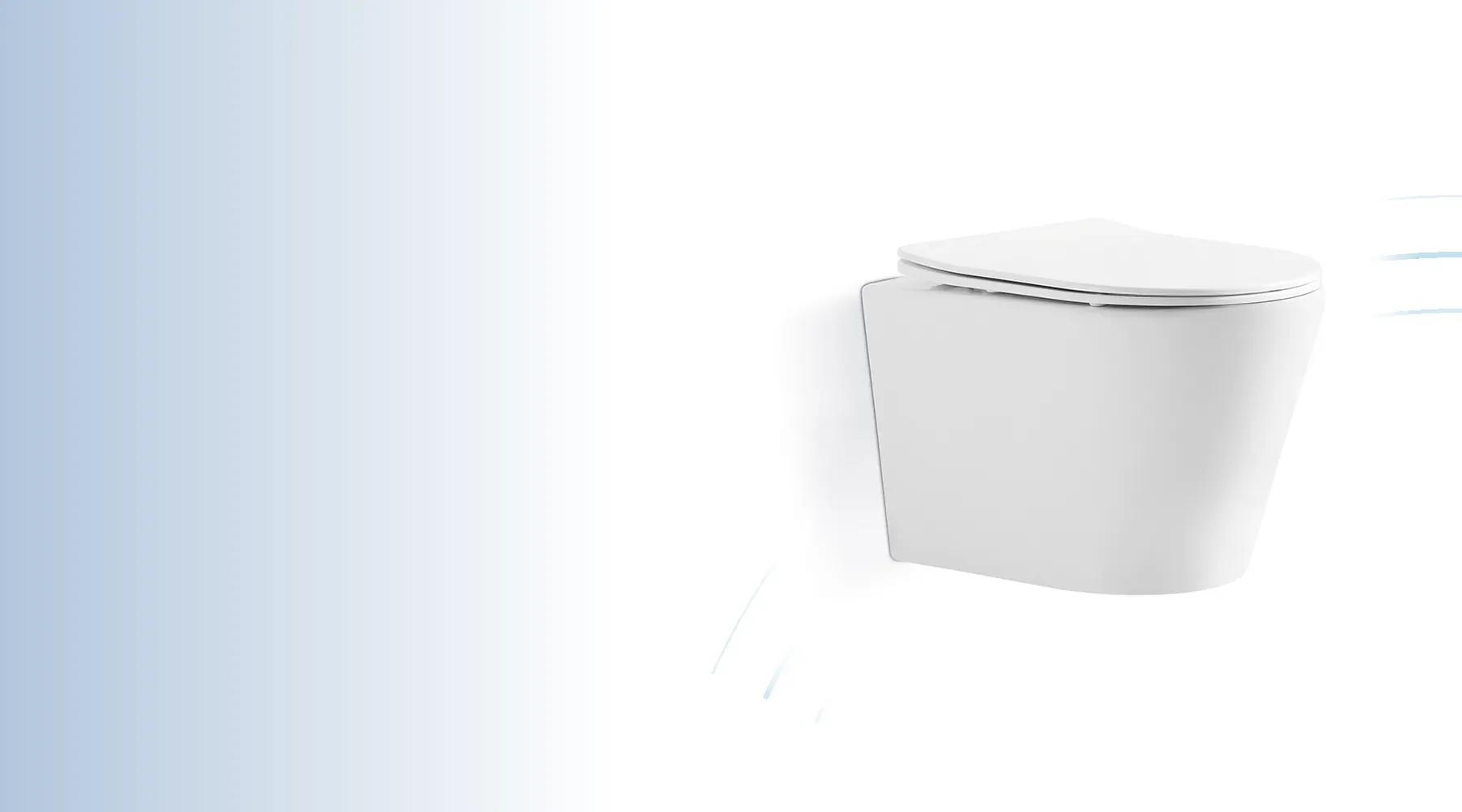
A wall-hung toilet hangs from a steel carrier frame with a concealed cistern inside the wall. The ceramic pan is the part your customer sees, but the frame and the cistern decide whether the installation holds, flushes properly, and can be serviced five years later. Get those two parts wrong and the complaint is never about the ceramic — it is about a loose pan, a cistern you cannot reach, or a flush that does not match the water supply. These five checks, in the order you should settle them before ordering, keep a first wall-hung order out of trouble.
1. The frame carries the load — check the rating and the fixing
The conclusion first: never order a wall-hung pan without knowing what frame it mounts to and what that frame is rated to carry. The pan itself weighs little; the load is a person sitting on it, day after day, plus the leverage of a cantilevered bowl. Ask the supplier for the carrier frame's rated load and for its fixing method — whether it bolts to the floor, to a solid wall, or to a stud wall with reinforcement — and match that against the wall construction your installers will actually meet on site. A frame designed for a solid masonry wall is a different job from one going into a lightweight partition, and discovering the difference after the tiles are up is the most expensive lesson in wall-hung work.
Also confirm what ships with the pan. Our wall-hung models are supplied with a hidden water tank, wall-hung screws and a UF or PP soft-close seat, and the pan is designed to mount on a concealed frame. Ask our team whether the carrier frame is bundled with your order or sourced locally, and get that answer in writing on the quotation — a frame sourced locally must match the pan's fixing centres, and a mismatch found on site stops the whole bathroom.
One more frame question that saves arguments later: who supplies the flush plate? The plate is the visible face of the cistern and the part the end user touches every day, so its finish and its fixing must match the cistern behind it. Confirm whether the plate is included with the cistern, which finishes are available, and whether a spare plate can be ordered with the first shipment. A plate that arrives in the wrong finish is a small defect with a large visual impact, and it is far cheaper to settle before the container is packed than to air-freight a replacement.
2. The cistern is hidden — check access and the flush before the wall closes
A concealed cistern is a good idea until it needs a repair, so the second check is service access. Before the wall is closed, the installer should know exactly where the flush mechanism and the fill valve are reached from — normally through the flush-plate opening — and you should confirm that those parts are replaceable without opening the wall. Ask the supplier which wear parts the cistern uses and whether they are standard, stocked items or a one-off design; a flush mechanism that only the original factory stocks is a warranty problem waiting for your second year in the market.
Then the flush itself. Our wall-hung range uses rimless washdown with dual flush at 4.5/3.0 Lpf, so one specification covers both the full flush and the half flush your customers will ask about. Confirm the flush volume your market expects — some markets regulate the maximum per flush, others simply compare litres on the shelf ticket — and make sure the cistern you order is set to match. A cistern that cannot be adjusted to the local standard will be re-specified by the project consultant, not by you.
3. Sizes, rough-in and what actually ships in the box
Wall-hung pans look alike in a catalogue photo and differ by the centimetres that decide a bathroom layout. Our range runs from the compact IS-5171-WHT at 485 x 340 x 290 mm and IS-5179-WHT at 485 x 360 x 330 mm, through the IS-5177-WHT at 485 x 360 x 320 mm, to the 520 mm formats — the IS-5176-WHT and IS-5178-WHT at 520 x 360 x 320 mm and the lower IS-5170-WHT at 520 x 360 x 290 mm. The 520 mm depth leaves comfortable room for a sprayer holder and paper on the same wall, which matters in the Middle East and Southeast Asian projects where a handheld bidet sprayer is part of the specification.
Settle three things with the supplier before you confirm: the pan's fixing centres and the frame they match, the waste outlet position and trap direction your installers will connect to, and the exact packing list — hidden water tank, wall-hung screws, soft-close seat — so the container manifest matches what the site team expects. A missing fixing screw is a small part that stops a large installation, and it is the kind of shortage that only shows up when the tiler is already on site.
If you are also planning the fittings around the pan, read our guide to pairing a wall-hung toilet with a bidet sprayer — the sprayer point, valve position and hose drop are all decided at the frame stage, while the wall is still open.
Frequently asked questions
Do your wall-hung toilets come with the carrier frame?
The pan is supplied with a hidden water tank, wall-hung screws and a soft-close seat, and it is designed to mount on a concealed frame. Ask our export team whether the carrier frame is bundled with your order or sourced locally, and confirm the fixing centres match either way.
What flush volume do the wall-hung models use?
Rimless washdown with dual flush at 4.5/3.0 Lpf — 4.5 litres for a full flush, 3.0 litres for a half flush. Confirm the volume your market regulates before you order, so the cistern setting matches the local standard.
Can a concealed cistern be serviced after the wall is tiled?
Service access is designed in through the flush-plate opening, and the flush mechanism and fill valve should be replaceable without opening the wall. Confirm the wear parts are standard, stocked items before you order — that is what keeps a warranty claim to a single visit.
A wall-hung order is really two orders — the visible pan and the hidden frame and cistern behind it. Check the frame rating, the cistern access, the flush volume and the packing list before the deposit, and the installation takes care of itself. Browse the wall-hung toilet range, or contact our export team with your wall construction and project mix — we will help align the frame, cistern and pan before your first container is loaded.